
It’s completely understandable for couples to feel frustrated when pregnancy doesn’t happen despite repeated attempts. Many such couples turn to IVF (In-Vitro Fertilisation) for support. But what happens when IVF doesn’t work as expected? What options are available next?
To Consult: The Best Fertility Specialist in Chennai
Before assuming that either partner has a fertility problem, it’s important to know that modern tests and advanced reproductive technology can help fertility specialists identify possible reasons for IVF failure and guide couples toward the right path to pregnancy.
Book an Appointment with Dr Arockia Virgin Fernando for an expert fertility consultation.
What is Endometrial Receptivity Analysis (ERA)?
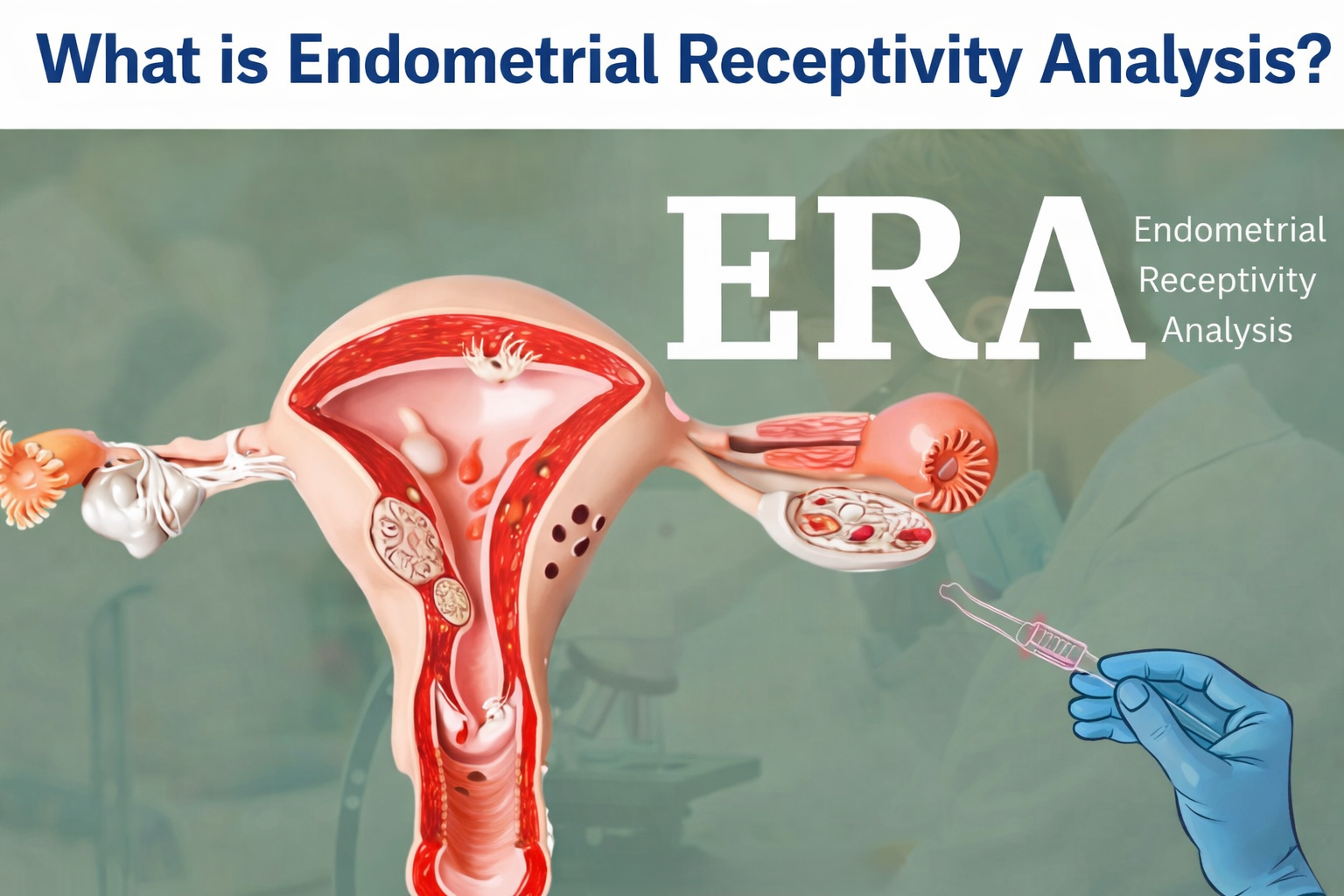
Endometrial Receptivity Analysis (ERA) is a genetic test that offers valuable insights—and new hope—for women experiencing implantation failure during IVF.
Implantation failure can occur for many reasons, including:
In an ERA test, a small sample of the woman’s uterine lining (endometrial biopsy) is collected and analysed to determine whether the endometrium is ready to accept an embryo. This test can be especially helpful for couples who have faced repeated IVF failures due to unexplained implantation problems.
To Know More: About Endometrial Receptivity Analysis (ERA)
What is the Procedure?
The ERA test begins by collecting a sample from the uterine lining at a specific time during the menstrual cycle. This sample is used to study gene expression patterns that indicate whether the endometrium is properly developed for implantation.
This sample collection is called an endometrial biopsy. It is a quick procedure and may cause mild discomfort.
During the biopsy:
In the lab, Next Generation Sequencing (NGS) technology is used to study gene expression. Specifically, the test evaluates the expression levels of 236 genes related to endometrial receptivity. This helps determine the best timing for embryo transfer, improving the chances of implantation and pregnancy.
How the ERA Test Works
The ERA process uses probes that analyse the activity of the 236 receptivity-related genes. These probes are hybridised with RNA from the sample collected through biopsy.
Once the analysis is complete, the results show whether the endometrium is:
The result is displayed through computer-generated signals based on gene expression profiles.
Must Read: Male Infertility Treatment
What Happens if the Result is Non-Receptive?
If the test indicates a non-receptive endometrium, it suggests that the embryo transfer timing needs adjustment.
Based on the ERA results, the fertility specialist can determine the patient’s unique implantation window and recommend a Personalised Embryo Transfer (pET)—meaning the embryo is transferred at the most suitable time for that individual.
Why Choose Endometrial Receptivity Analysis?
Repeated implantation failure can be emotionally exhausting and financially stressful. After investing so much time, effort, and hope, IVF failure can feel devastating.
The ERA test can help improve the chances of success, especially in:
ERA identifies the exact window when implantation is most likely, helping doctors plan embryo transfer more accurately.
If you or someone you know has experienced multiple failed IVF cycles without a clear reason, consider discussing the ERA test with your fertility specialist.

.png)

.png)