
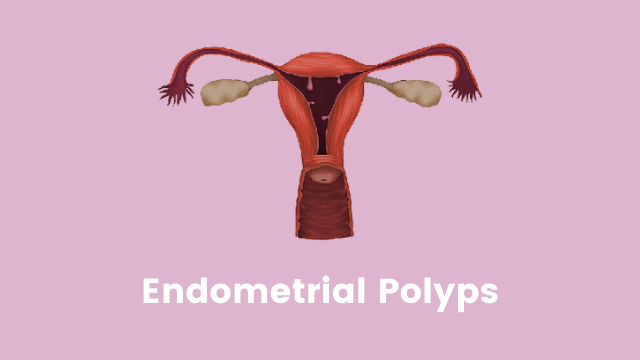
Endometrial Polyps: Causes, Symptoms, and Impact on Fertility
An endometrial polyp is an abnormal growth of tissue that develops from the inner lining of the uterus, known as the endometrium. These polyps form due to an overgrowth of endometrial cells. They are commonly seen in women of reproductive age, but can also occur in women between 35 and 40 years and after menopause.
Most endometrial polyps are benign (non-cancerous). However, in some cases, they may contain precancerous changes or rarely develop into cancer.
Endometrial polyps can vary greatly in size, ranging from a few millimetres to several centimetres. They may be as small as a sesame seed or as large as a golf ball. These growths often cause abnormal uterine bleeding and can interfere with fertility.
Causes
The exact cause of endometrial polyps is not clearly known. However, hormonal imbalance, especially increased levels of estrogen, is believed to play a key role in their development. Polyps tend to grow in response to circulating estrogen in the body.
Risk Factors
Certain factors increase the risk of developing endometrial polyps or turning them precancerous, including:
Signs and Symptoms
Women with endometrial polyps may experience:
Women experiencing any of these symptoms should consult a gynecologist promptly.
Endometrial polyps can act like a foreign body inside the uterus and interfere with embryo implantation, which may result in infertility.
Diagnosis
Endometrial polyps can be diagnosed using the following methods:
Treatment
For women facing infertility, hysteroscopic removal of the polyp is recommended. The removed tissue is examined, and endometrial scratching is often performed to promote healthy tissue regeneration and improve implantation chances.
Conclusion
Early diagnosis and appropriate treatment of endometrial polyps are crucial, especially in women experiencing infertility. Timely medical intervention can significantly improve reproductive outcomes and overall uterine health.

.png)

.png)