
Fertility
Fertility is the natural ability to conceive and have a baby. A person’s chances of getting pregnant depend on many factors such as age, genetics, and medical conditions. While some of these factors cannot be changed, others—like lifestyle habits and diet—are within our control and play an important role in reproductive health.
To Consult: Best Fertility Specialist in Bangalore
Infertility

Infertility means not being able to get pregnant even after having regular, well-timed, unprotected sex for one year. In many cases, there are no clear symptoms other than difficulty in conceiving. Although treatments such as hormone therapy and IVF (in vitro fertilization) are available, reducing the risk of infertility by managing controllable factors is always a better approach.
Risk Factors for Infertility in Women
Several factors can increase the risk of infertility, including:
Fast Food and Fertility
Looking at these risk factors, it becomes clear that fast food can negatively affect fertility. Regular intake of fast food often leads to weight gain and poor nutrition, depriving the body of essential vitamins and minerals needed for conception.
Research supports this connection. A study by the University of Adelaide involving 5,600 women found that those who frequently consumed fast food took longer to conceive. Their risk of infertility increased from 8% to 16% compared to women who ate healthier diets.
Eating fast food even before pregnancy can reduce fertility and also affect a woman’s overall health, increasing the chances of complications during pregnancy.
Fast Food During Pregnancy
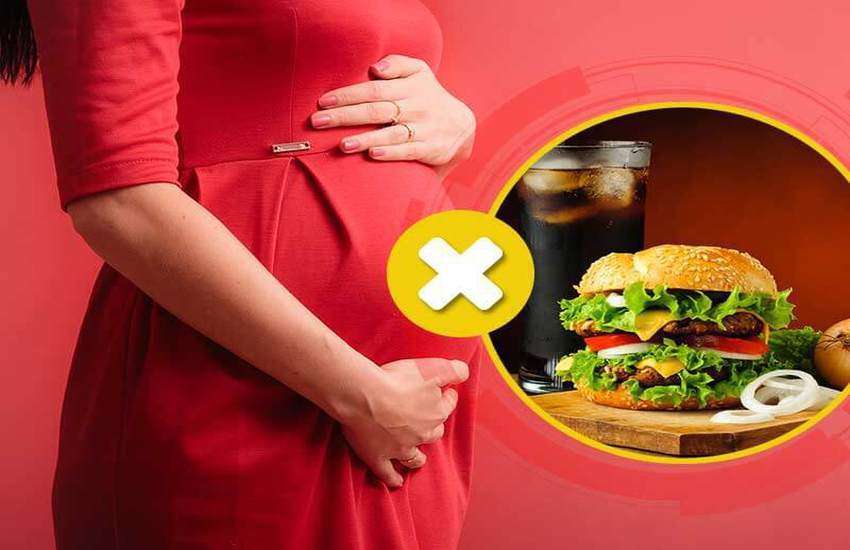
Fast food consumption can be harmful not only before conception but also during pregnancy. Some of the risks include:
.png)

.png)