
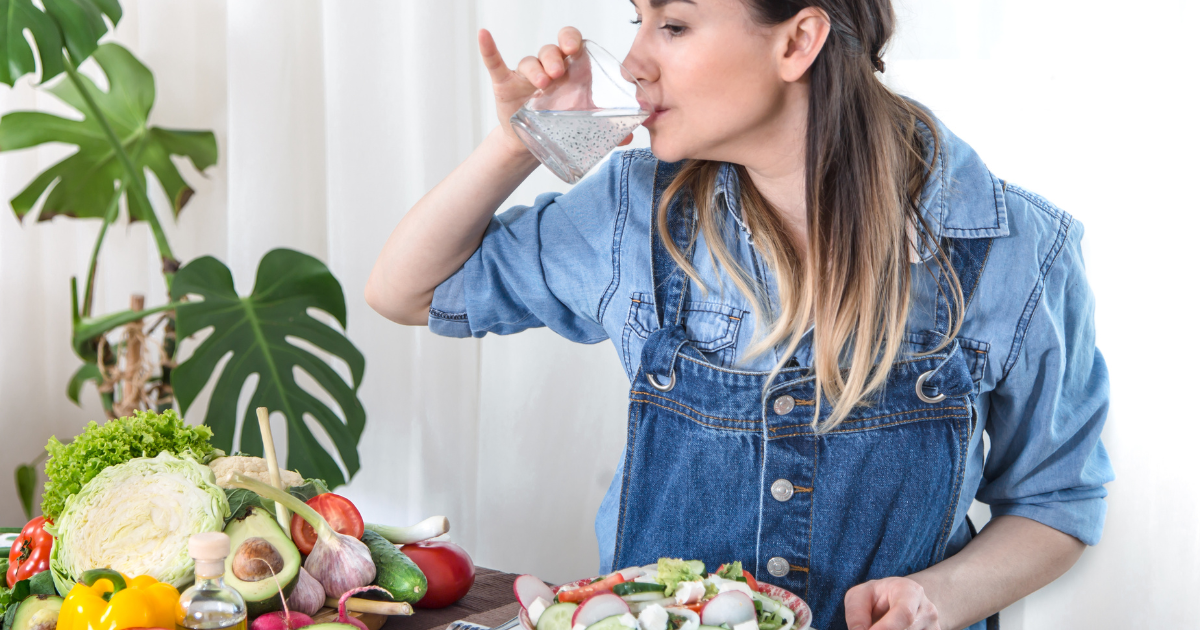
India's summers are no ordinary challenge. When temperatures cross 40°C and your body is navigating hormonal stimulation, here's everything you need to know - from egg retrieval to the two-week wait.
Most IVF guides tell you to "stay hydrated" and "eat fresh fruits." But if you're undergoing IVF in an Indian summer - managing stimulation injections, clinic visits, and emotional peaks and valleys in 40°C heat - you deserve far more than that. This guide breaks down exactly what your body needs, tailored to each phase of IVF treatment.
Summer in India is uniquely demanding for fertility patients. High ambient temperatures, intense humidity, disrupted sleep, and appetite changes don't just affect comfort - they can influence hormone metabolism, follicle response, and embryo quality. Understanding the science behind these effects, and responding with a targeted plan, gives you a real edge.
Heat is more than a discomfort during fertility treatment. Research in reproductive medicine has explored how thermal stress affects the hypothalamic-pituitary-ovarian (HPO) axis - the hormonal control system that IVF medications are designed to work with. When this system is stressed by heat, the body's hormonal signalling can become less predictable.
Here is what summer specifically does to the body during IVF:
Summer's Impact on IVF Physiology
Important: Patients undergoing ovarian stimulation in summer are at heightened risk of Ovarian Hyperstimulation Syndrome (OHSS) - a potentially serious condition. Heat and dehydration are key aggravating factors. This guide covers specific OHSS prevention steps. Always consult your fertility specialist for personalized monitoring.
The biggest mistake IVF patients make is treating the entire treatment cycle as one uniform period. Your body's needs change dramatically across each phase. Here is what to prioritize at each stage:
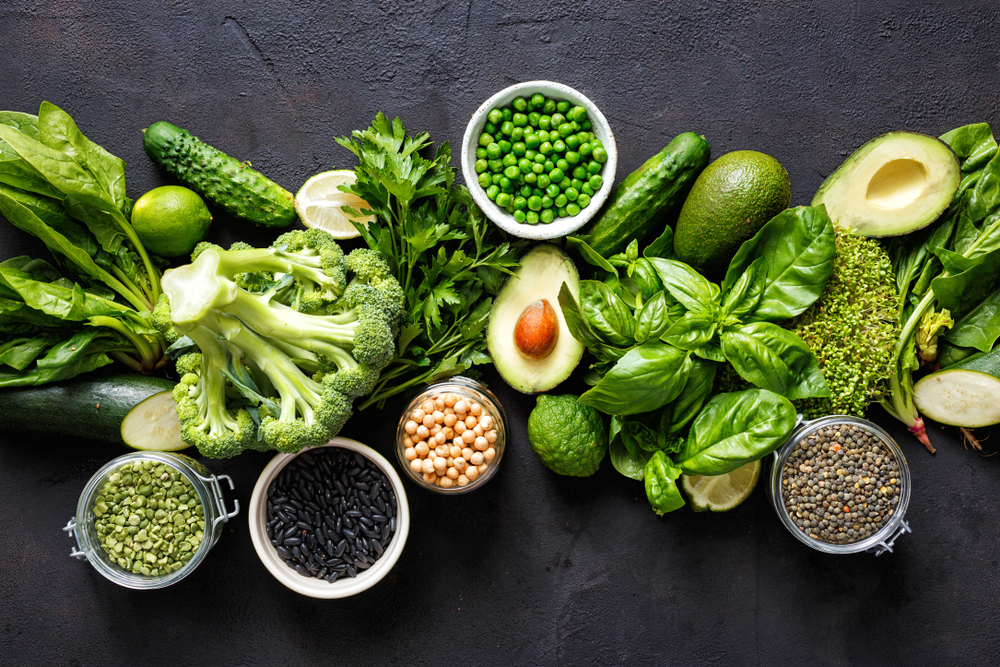
Indian summer offers a remarkable array of seasonal produce that doubles as fertility medicine. The key is understanding why each food matters, not just listing them. Here's a breakdown by nutritional function:
Free radicals increase during heat stress. Antioxidants in food neutralize these and help protect developing eggs and the uterine lining from oxidative damage. Summer produce is particularly rich in antioxidants.
|
Food |
Key Nutrients |
Fertility Benefit |
Best Consumed As |
|
Watermelon (Tarbuj) |
Lycopene, Vitamin C, 92% water |
Antioxidant, hydration, cooling |
Fresh, morning or mid-morning |
|
Mango (ripe, not raw) |
Beta-carotene, Folate, Vitamin B6 |
Supports egg maturation & lining health |
Small portions, not on empty stomach |
|
Pomegranate (Anaar) |
Punicalagins, Vitamin K, Folate |
Blood flow to uterus, lining thickness |
Fresh juice (no added sugar) or seeds |
|
Tomatoes |
Lycopene, Vitamin C, Potassium |
Antioxidant, reduces inflammation |
Cooked releases more lycopene |
|
Papaya (ripe) |
Folate, Vitamin C, Digestive enzymes |
Supports cell division, gut health |
Ripe only — avoid raw/unripe during IVF |
|
Amla (Indian Gooseberry) |
Vitamin C (20× orange), Tannins |
Potent antioxidant, immune support |
Fresh juice, murabba, or churna |
|
Cucumber (Kheera) |
Silica, Water, Vitamin K |
Hydration, anti-inflammatory |
Raw in salads, raita, or infused water |
Protein is the raw material for FSH, LH, and estrogen - the very hormones your IVF medications are amplifying. During stimulation, your protein needs increase. Aim for 1.2–1.5g of protein per kg of body weight daily, distributed across meals.
Best Summer Protein Sources for IVF Patients in India
Insulin resistance significantly worsens during heat stress, and unstable blood sugar levels can interfere with ovarian hormone signalling - a particular concern for patients with PCOS. Prioritize low-glycemic, fiber-rich carbohydrates:
Smart Carbohydrate Choices
|
Micronutrient |
Why It Matters for IVF |
Summer Food Sources |
|
Folate (B9) |
Neural tube development, cell division during fertilization |
Green leafy vegetables, moong dal, methi |
|
Iron |
Uterine lining health; iron deficiency linked to anovulation |
Rajma, spinach, garden cress seeds (halim) |
|
Zinc |
Egg maturation, progesterone synthesis |
Pumpkin seeds, chickpeas, cashews |
|
Magnesium |
Lost through sweating; involved in 300+ enzyme reactions incl. hormone synthesis |
Dark leafy greens, almonds, banana |
|
Vitamin D |
Linked to IVF success rates; regulates immune response in uterus |
Sun exposure (early morning), eggs, fatty fish |
|
CoQ10 |
Mitochondrial energy in eggs; declines with age and heat stress |
Supplement (consult doctor); small amounts in fatty fish |
|
Omega-3 (DHA/EPA) |
Anti-inflammatory; improves embryo quality and endometrial receptivity |
Walnuts (2–3 daily), flaxseeds, fatty fish |
"What you eat during ovarian stimulation is as close to 'feeding your eggs' as it gets. Heat stress increases the body's micronutrient demands - particularly for antioxidants and electrolytes - at precisely the time your follicles are growing."
- Clinical Reproductive Nutrition Perspective
Dehydration during IVF isn't just uncomfortable - it can impair follicular fluid development and reduce uterine blood flow. During stimulation, your ovaries are working overtime and producing more follicular fluid than normal. That fluid is largely composed of water and electrolytes. You need to replenish both.
|
6:30 AM |
400ml water with a squeeze of lemon - rehydrate after sleep, stimulate digestion |
|
8:30 AM |
Coconut water (1 medium) - natural electrolyte replenishment, ideal before morning injections if prescribed |
|
11:00 AM |
300ml water + light fruit (watermelon/cucumber) |
|
1:30 PM |
300ml water or chaas (buttermilk) with lunch - aids digestion, adds probiotics |
|
4:00 PM |
Aam panna or lemon-mint water (unsweetened or lightly sweetened with mishri) - replenish electrolytes lost in afternoon heat |
|
7:30 PM |
300ml water with/after dinner - sip slowly, don't chug |
|
9:30 PM |
200ml warm (not hot) milk - tryptophan supports melatonin production for better sleep quality |
IVF-Safe Summer Drinks (Ranked by Benefit)
Ovarian Hyperstimulation Syndrome (OHSS) is a condition where the ovaries over-respond to stimulation medications, becoming enlarged and leaking fluid. Summer heat significantly increases OHSS risk by causing dehydration, which concentrates hormones and fluid shifts.
OHSS Warning Signs to Watch for in Summer: Sudden bloating or abdominal distension, weight gain of more than 1kg in 24 hours, nausea or vomiting, reduced urine output, or shortness of breath. Contact your fertility clinic immediately if you experience these symptoms - do not wait.
This goes beyond avoiding the afternoon sun. During ovarian stimulation, your ovaries are significantly enlarged - typically two to four times their normal size. Physical jolts, overheating, and abdominal pressure should all be minimized.
The blanket advice to "avoid exercise" during IVF needs nuance. Light movement supports circulation, reduces stress hormones, and improves sleep - all beneficial for IVF outcomes. The key is intensity and timing.
|
Activity |
Safe During IVF? |
Phase Caution |
|
Slow walking (20–30 min, early morning) |
✓ Recommended |
Avoid if OHSS symptoms present |
|
Restorative/Fertility yoga |
✓ Recommended |
No inversions post-transfer |
|
Gentle stretching, pranayama |
✓ Recommended |
All phases |
|
Swimming |
Caution |
Avoid post-retrieval and post-transfer (infection risk) |
|
Cycling, running, gym cardio |
✗ Avoid |
All stimulation and post-transfer phases |
|
Weight training, HIIT |
✗ Avoid |
Full IVF cycle |
Melatonin - produced during deep sleep - is a powerful antioxidant that concentrates in follicular fluid and actively protects developing eggs. Indian summers disrupt sleep through heat, early sunrise, and increased noise. Protecting your sleep is not optional during IVF.
IVF is emotionally demanding under any circumstances. Summer adds heat-induced irritability, sleep disruption, and physical discomfort to the mix. Elevated cortisol - the primary stress hormone - can suppress LH surges and interfere with progesterone signalling. Managing stress is genuinely clinical during IVF.
IVF is a two-person journey, and summer affects male fertility just as significantly. Sperm are exceptionally heat-sensitive - they require temperatures approximately 2–3°C below core body temperature to develop properly. Indian summer creates a double threat: external heat and heat-trapping clothing.
|
6:15 AM |
Wake up - 400ml warm lemon water; 5 min gentle stretching; open windows for early morning air |
|
6:45 AM |
Breakfast - 2 boiled eggs + moong dal cheela (1–2) + 1 cup amla juice or coconut water. High protein start protects against mid-morning blood sugar crash. |
|
7:30 AM |
Clinic / injections (if scheduled) - early morning before peak heat. Carry a water bottle. |
|
10:00 AM |
Mid-morning snack - Watermelon (1 cup) or a bowl of cucumber + curd. 300ml water. |
|
1:00 PM |
Lunch - 1 cup rajma or chana sabzi + 2 whole wheat rotis + a large helping of lauki/tori sabzi + chaas. Rest in cool space for 20–30 min after. |
|
4:00 PM |
Afternoon snack - Roasted makhana (1 small bowl) + aam panna or sabja water. Avoid going out between 12–4 PM. |
|
6:30 PM |
Light yoga / breathing - 15–20 min restorative yoga or nadi shodhana pranayama. Cool, ventilated space. |
|
8:00 PM |
Dinner - Millet khichdi (foxtail/little millet + yellow moong dal) + steamed palak or methi + a small bowl of dahi. Light, easy to digest. |
|
9:30 PM |
Wind down - Warm milk with a pinch of nutmeg. No screens. Cool dark room. Target 10:00–10:15 PM sleep. |
Short trips in AC transport are generally fine during early stimulation. However, as follicles grow larger (especially after Day 8–9 of stimulation), bumpy roads, long travel times, and vibration can be uncomfortable and may stress enlarged ovaries. If travel is necessary, use cushioned seating, stay well-hydrated, and avoid journeys longer than 2–3 hours. Ask your doctor specifically based on your follicle count and size.
Raw (unripe) papaya contains latex and papain - compounds that can stimulate uterine contractions and should be completely avoided during IVF. Ripe papaya, however, is nutritious and safe. Pineapple is different: fresh pineapple core contains bromelain, which has anecdotal (not scientifically proven) associations with implantation support. The concern is that pineapple is strongly acidic and can cause digestive upset. Enjoy it in small amounts as part of a meal, but it is not a fertility cure-all.
This is a critical and often overlooked concern. Progesterone pessaries (vaginal suppositories) should be stored below 25°C - which is impossible if left in cars or warm rooms during Indian summer. Store them in the refrigerator (not the freezer) in a sealed container. Take them out 10–15 minutes before use to allow them to soften slightly. Always check the storage instructions on your specific brand's packaging, and ask your clinic if you notice any change in consistency or appearance.
Bloating during stimulation is caused by enlarged ovaries and increased abdominal fluid - it's not primarily digestive, though constipation can worsen it. To help: drink 2.5–3 litres of fluids daily, eat high-protein meals (albumin helps retain fluid in blood vessels rather than the abdomen), choose easily-digestible foods (khichdi, dalia, boiled vegetables), avoid beans and raw cruciferous vegetables that cause gas, and try jeera (cumin) water after meals. If bloating is severe, sudden, or accompanied by pain or reduced urination, contact your clinic - these can be OHSS warning signs.
Yes - one medium coconut's worth of coconut water daily is excellent during IVF, particularly during stimulation and in the TWW. It provides natural electrolytes (potassium, magnesium, sodium) without the added sugar of sports drinks. However, do not exceed one large coconut per day as excessive potassium can cause issues in some patients. Patients with kidney conditions should consult their doctor before making it a daily staple.
No - avoiding AC during Indian summers is not recommended for IVF patients. Overheating is far more detrimental than using AC. The concern is not AC itself but extreme temperature fluctuations (stepping from 45°C outside directly into a 18°C room) and dry, recirculated air causing dehydration. Set your AC between 22–25°C, use a humidifier if air feels very dry, and allow a transition period when entering from the heat. Stay hydrated when in AC environments, as the dry air accelerates invisible water loss.
The most reliable indicator is urine colour - aim for pale straw yellow throughout the day. Other signs include: infrequent urination (less than 4–5 times per day), dark-coloured urine, headaches in the afternoon, fatigue beyond what IVF medications typically cause, dry lips or mouth, dizziness on standing, and decreased skin elasticity. During stimulation, rapid weight gain alongside these symptoms can signal OHSS - report to your doctor immediately.
Reduced appetite in summer is very common and can be worsened by IVF medications causing nausea, bloating, and hormonal shifts. However, maintaining adequate nutrition is essential. If appetite is low: eat smaller, more frequent meals (5–6 small meals instead of 3 large ones), prioritize liquid nutrition (smoothies with yogurt + fruit + seeds, protein-rich soups, fortified lassi), focus on nutrient density over volume, and try eating at the coolest time of day. Appetite-stimulating tricks include eating in a cool space, using lemon and ginger (unless contraindicated), and presenting food attractively.
A warm (not hot) pad on the lower abdomen can relieve post-retrieval discomfort, but use it carefully in summer. Limit sessions to 15 minutes and never sleep with a heating pad on. In summer heat, your body is already warmer than usual - adding heat to the pelvic area when ovaries are still enlarged post-retrieval can cause discomfort. A lukewarm water bottle wrapped in a cotton cloth is safer and easier to control. If cramping is severe, contact your clinic before self-medicating.
No. Embryos during IVF are developed and stored in controlled laboratory environments with precise temperature, humidity, and CO₂ levels that are completely independent of outdoor conditions. Modern IVF labs maintain 37°C incubator conditions with backup systems. Your embryos are safer from temperature fluctuations than you might imagine. What summer affects is your body - the environment those embryos will return to for implantation. That's why this guide focuses on optimizing your internal environment through diet, hydration, and lifestyle.
Every patient's body responds differently to summer conditions. Get a personalized fertility consultation with experienced reproductive specialists who understand India's climate and your unique needs.
.png)

.png)